
Lower energy bills
Bulk insulation reduces the need for heating and cooling by slowing heat transfer through ceilings, walls and floors. Homes in Box Hill see noticeable drops in energy use after installation.
Box Hill
Expert Insulation Melbourne installs bulk insulation in Box Hill homes to reduce winter heat loss and summer heat gain through ceilings, walls and floors.
Share your details and Expert Insulation Melbourne will contact you about Bulk Insulation in Box Hill.
Bulk insulation uses batts of glasswool, polyester or rockwool to trap still air and slow heat transfer. In Box Hill’s brick veneer and weatherboard homes, it is fitted between ceiling joists, inside wall cavities during renovations and under suspended timber floors to cut heating and cooling costs.
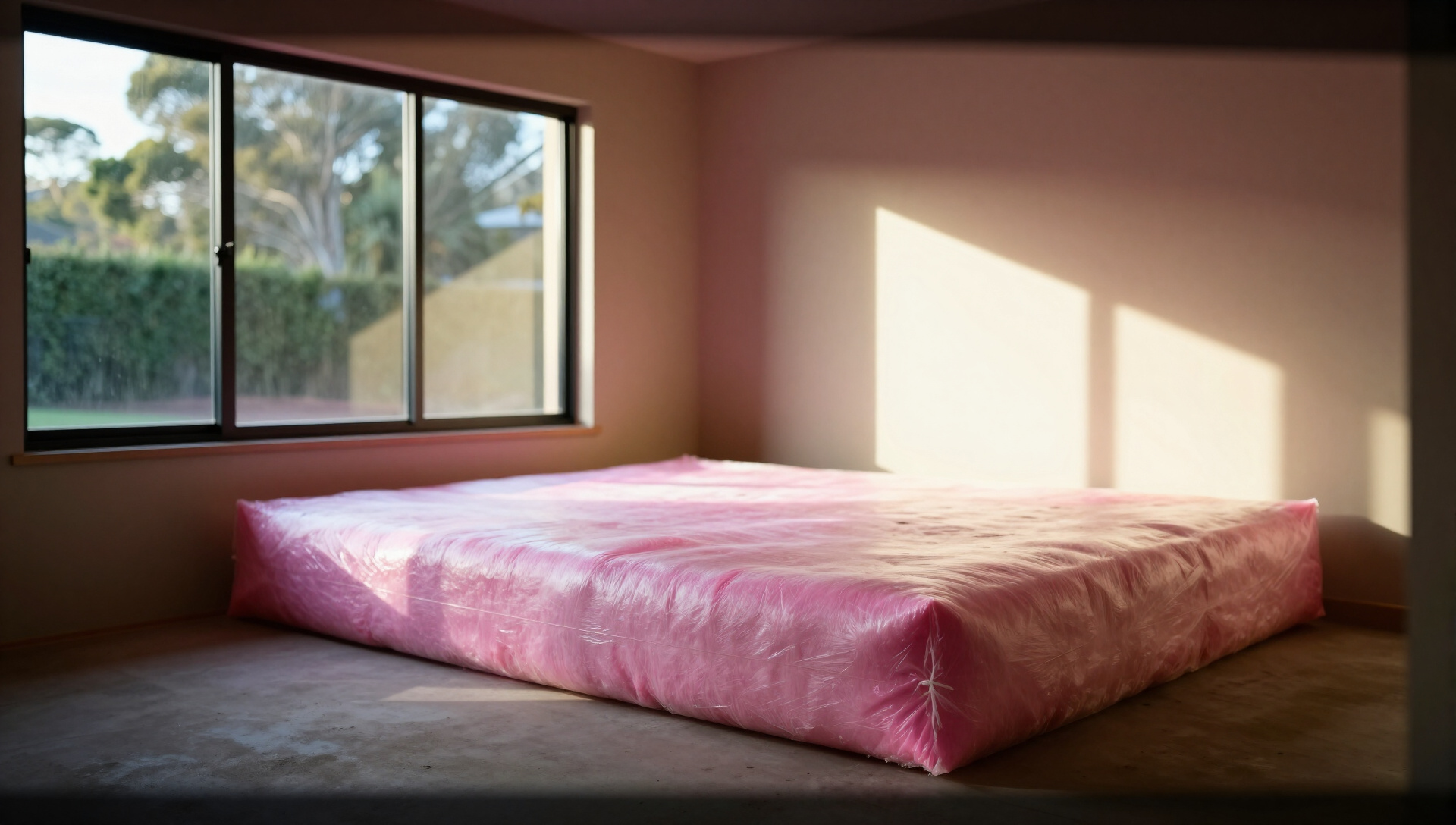
Box Hill’s mix of older brick veneer and weatherboard homes often lacks sufficient insulation, leading to cold winters and hot summers. Bulk insulation addresses this by adding thermal resistance where it matters most.
Bulk insulation reduces the need for heating and cooling by slowing heat transfer through ceilings, walls and floors. Homes in Box Hill see noticeable drops in energy use after installation.
By trapping still air, batts keep warmth in during winter and heat out during summer. This evens out temperatures and eliminates cold floors and draughts common in older Box Hill homes.
Dense batts absorb airborne noise, making intertenancy walls and floors quieter. This is useful in Box Hill’s attached housing and units near busy roads like Whitehorse Road.
Properly installed bulk insulation helps control condensation in roof spaces and subfloors, protecting timber framing and preventing mould growth in Box Hill’s damp climate.
Glasswool and rockwool batts are non-combustible, adding a layer of fire resistance to walls and ceilings in Box Hill homes.
Bulk insulation maintains its R-value over time if kept dry and undamaged. It does not settle or degrade like some loose-fill products.
Installation follows a clear process to ensure full coverage and correct R-value. We work around existing services and maintain required clearances for safety.
We check the roof space, wall cavities or subfloor for access, existing insulation and any issues like old compressed batts or asbestos. If asbestos is suspected, work stops until a qualified assessor inspects it.
You choose from glasswool, polyester or rockwool batts. For ceilings we typically recommend R4.0 to R6.0, walls R2.0 to R2.7 and underfloor R1.5 to R2.5 based on your budget and needs.
We clear the area, lay temporary flooring in the roof space and ensure downlight clearances and cables are marked. For underfloor work, we confirm crawl space access and stump stability.
Batts are cut to fit snugly between joists or studs with no gaps. We keep clearances around flues and electrical fittings. After installation, we remove all offcuts and vacuum dust from the roof space or subfloor.
Box Hill’s housing stock includes many postwar brick veneer homes and older weatherboards that were built with little or no insulation. These properties benefit most from bulk insulation in ceilings to stop winter heat loss and in walls during renovations. Underfloor insulation is also effective for suspended timber floors common in the area.
Expert Insulation Melbourne provides bulk insulation installation for homes in Box Hill.
Homeowners in Box Hill often ask about the best R-value, whether existing batts can be topped up and how long installation takes. Here are the answers.
Bulk insulation in Box Hill is the most cost-effective way to improve thermal performance in existing homes. Ceiling batts are the priority, as up to 35 percent of winter heat loss escapes through an uninsulated roof space. Glasswool, polyester and rockwool are the most common materials, each offering different benefits for noise reduction, fire resistance and moisture handling.
For Box Hill’s brick veneer homes, wall insulation can be added during renovations or extensions by fitting batts into open stud frames. Underfloor insulation is installed from the subfloor in properties with suspended timber floors, provided there is enough crawl space and access. Both applications help reduce draughts and cold floors.
The R-value you choose affects performance and cost. Higher R-values provide better thermal resistance but may not be necessary for all areas. In Box Hill, ceilings commonly use R4.0 to R6.0, walls R2.0 to R2.7 and underfloor R1.5 to R2.5. The final choice depends on your climate needs, budget and the space available between framing members.
Call Expert Insulation Melbourne on 0399695249 or email info@expertinsulationmelbourne. com. au to discuss bulk insulation for your Box Hill home.