
Lower heating and cooling costs
Insulating the wall cavity reduces the amount of heat escaping in winter and entering in summer, so your heating and cooling systems work less to maintain a comfortable temperature.
Box Hill Wall Insulation
Expert Insulation Melbourne installs cavity wall insulation in Box Hill brick veneer homes to cut winter heat loss and summer heat gain through external walls.
Share your details and Expert Insulation Melbourne will contact you about Cavity Wall Insulation in Box Hill.
Cavity wall insulation fills the gap between the inner and outer leaves of brick veneer walls with insulating material. In Box Hill, this is done by drilling small holes in the mortar joints, injecting the insulation and then patching the holes. It is a non-invasive way to improve the thermal performance of existing brick veneer homes without removing wall linings.
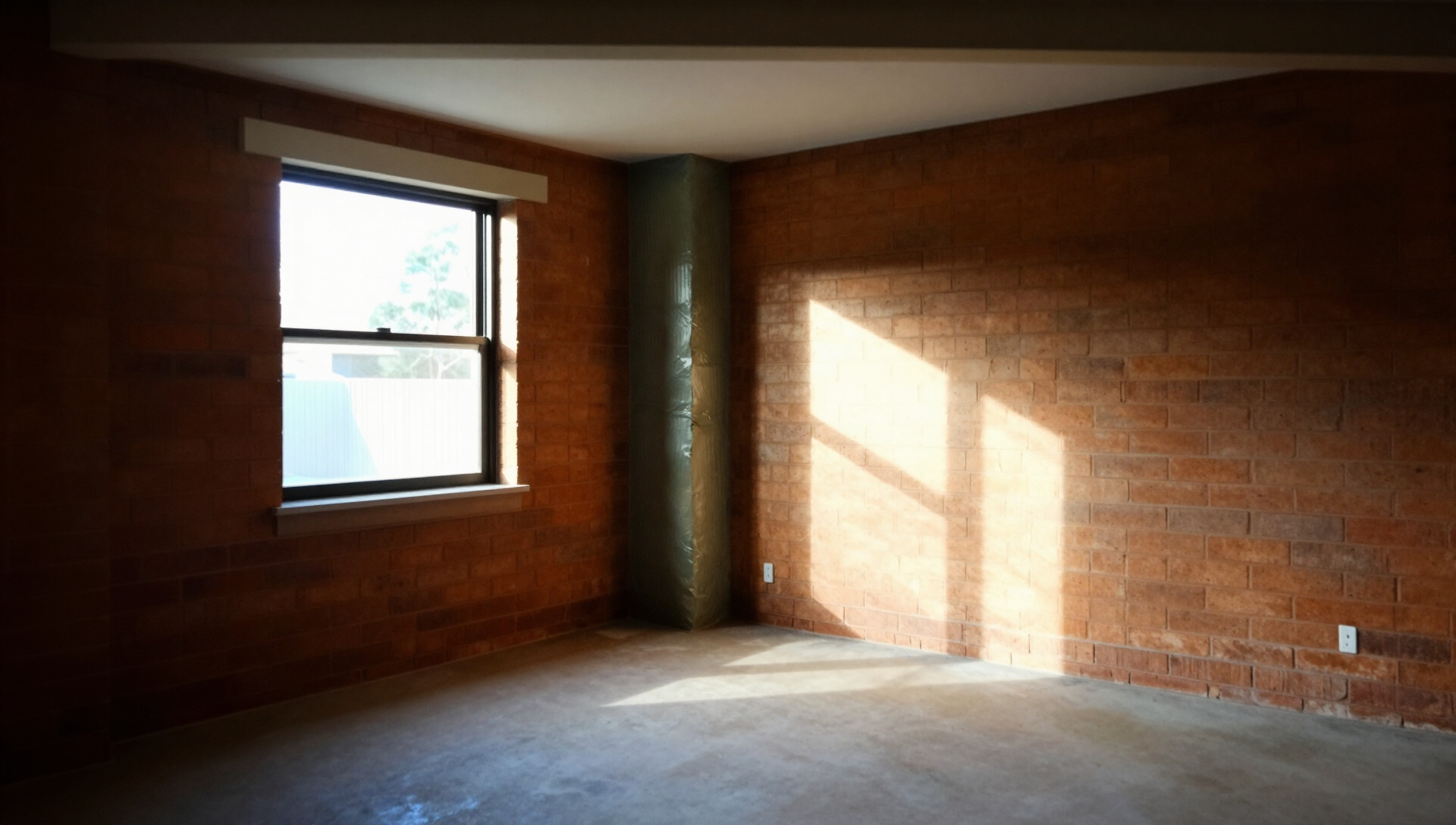
Box Hill has many brick veneer homes built from the 1960s onwards that lack wall insulation. Cavity wall insulation addresses the main path for heat transfer through external walls, which is especially important in Melbourne’s climate with cold winters and hot summers.
Insulating the wall cavity reduces the amount of heat escaping in winter and entering in summer, so your heating and cooling systems work less to maintain a comfortable temperature.
Walls stay warmer in winter and cooler in summer, reducing cold spots near external walls and making living spaces more consistent in temperature.
Filling the cavity stops air movement through the wall structure, cutting draughts that make rooms feel colder and increase energy use.
The installation is done from the outside, so there is no disruption to internal plaster, paint or services inside your home.
Brick veneer and some double brick walls can be insulated without altering the structure, provided the cavity is clean, dry and accessible.
Quality cavity insulation materials maintain their thermal resistance over time, continuing to deliver energy savings and comfort for the life of the home.
We follow a careful process to ensure the insulation is installed correctly and the wall structure remains intact. Each step is tailored to the specific wall type and condition of your Box Hill home.
We assess the wall type, cavity width and condition. If the cavity contains debris, moisture or old materials, these must be addressed first. If asbestos is suspected, work stops until a qualified assessor inspects it.
Small holes are drilled in the mortar joints at regular intervals to allow access for the insulation injection. The pattern and spacing depend on the wall construction and insulation type.
Loose-fill or foam insulation is injected into the cavity under controlled pressure to ensure even distribution without compressing the material. We monitor the fill to avoid gaps or over-packing.
The access holes are patched with matching mortar to restore the wall’s appearance. We clean up the site and leave your home as we found it.
Box Hill has a mix of interwar and postwar brick homes, many with brick veneer construction that benefits from cavity wall insulation. The suburb’s exposure to Melbourne’s cold winters and hot summers means uninsulated walls contribute to higher energy use and discomfort. Cavity wall insulation is a practical upgrade for these homes, improving thermal performance without major renovations.
Improve the thermal efficiency of your brick veneer home in Box Hill with cavity wall insulation installed by Expert Insulation Melbourne.
Homeowners in Box Hill often have questions about how cavity wall insulation works, whether their home is suitable and what to expect during installation. Here are answers to the most common queries.
Cavity wall insulation in Box Hill targets the gap between the inner and outer layers of brick veneer walls, a common construction type in the suburb. By injecting insulating material into this cavity, heat transfer through the walls is significantly reduced, improving thermal comfort and lowering energy bills. This method is particularly effective for Box Hill homes built from the 1960s to 1990s, which often lack wall insulation.
The process begins with a thorough inspection to confirm the wall type and cavity condition. Not all brick walls are suitable, as some may have structural issues, moisture problems or existing materials in the cavity. If the cavity is clear and dry, small holes are drilled in the mortar joints, and insulation is injected to fill the space evenly. The holes are then patched to match the original mortar, leaving no visible trace of the work.
For Box Hill residents, cavity wall insulation offers a practical way to upgrade thermal performance without the cost and disruption of removing internal wall linings. It addresses the main source of heat loss and gain through external walls, making homes more comfortable in both winter and summer. The typical R-value for cavity wall insulation ranges from R2.0 to R2.7, providing a meaningful improvement in thermal resistance.
If your Box Hill home has brick veneer walls and feels cold in winter or hot in summer, cavity wall insulation can make a noticeable difference. Contact Expert Insulation Melbourne to arrange an inspection and quote.