
Warmer floors in winter
Insulation under the floor slows heat loss downward and reduces the chill that comes up through timber floorboards. Rooms feel warmer at floor level, which is where you notice it most.
Box Hill
Underfloor insulation fitted under suspended timber floors in Box Hill stops cold air rising through floorboards and cuts draughts. We install batts or reflective foil between joists in the subfloor to improve thermal resistance and comfort.
Share your details and Expert Insulation Melbourne will contact you about Underfloor Insulation in Box Hill.
Underfloor insulation is installed between the floor joists from the subfloor space beneath suspended timber floors. In Box Hill’s older brick and weatherboard homes this is often the missing piece that causes cold floors and high heating costs in winter. We fit bulk insulation batts or reflective foil to create a thermal barrier that slows heat transfer through the floor.
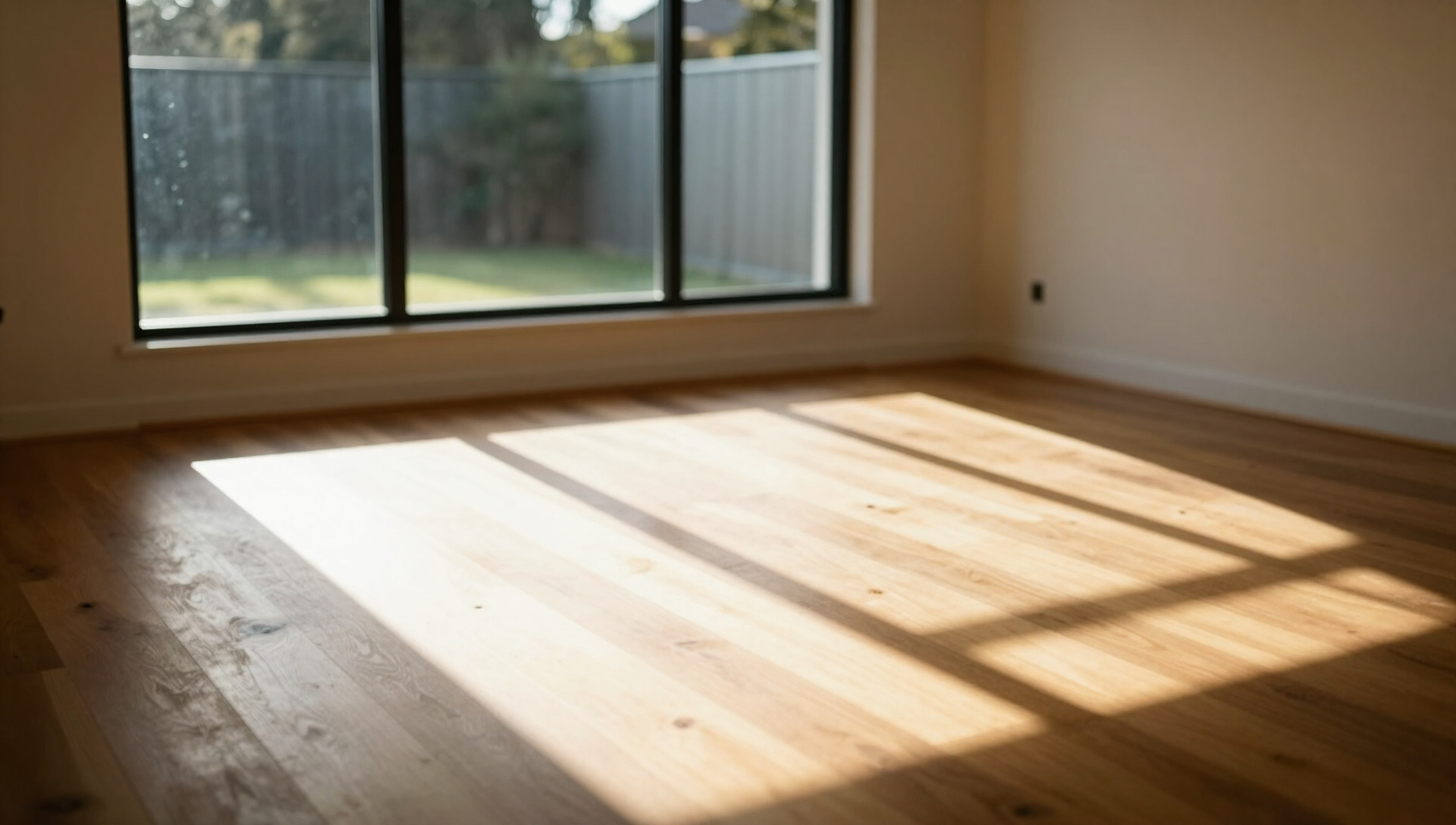
Many Box Hill homes were built with little or no insulation under the floor. Without it, cold air rises through gaps in the floorboards and joists, making rooms feel chilly and forcing heaters to work harder. Underfloor insulation fixes this by adding a thermal layer that keeps the floor warmer and the home more comfortable.
Insulation under the floor slows heat loss downward and reduces the chill that comes up through timber floorboards. Rooms feel warmer at floor level, which is where you notice it most.
By reducing heat loss through the floor, your heater runs less often to maintain the same temperature. This can lead to noticeable savings on energy bills over winter.
Sealing the subfloor with insulation and vapour barriers cuts the draughts that carry dust and cold air into living spaces. This also helps with indoor air quality.
Combined with ceiling insulation, underfloor insulation creates a more complete thermal envelope. This means less heat escapes in winter and less heat enters in summer.
Properly installed underfloor insulation with a vapour barrier reduces moisture rising from the ground, which can help prevent condensation and mould under the floor.
We access the subfloor through existing vents or small access panels, so there is no need to lift floorboards or disrupt your home.
Installing underfloor insulation requires access to the subfloor space, which is typically 600mm or more under suspended timber floors. We check for adequate clearance, existing wiring or plumbing, and any signs of moisture or pest damage before proceeding.
We start with a quick inspection of the subfloor to confirm access, joist spacing and clearance. If the space is too low or obstructed, we discuss options before proceeding.
We clear debris and dust from the subfloor and check for dampness or pest activity. If old insulation is present and damaged, we remove it before installing new material.
We fit bulk insulation batts between the joists, ensuring a snug fit with no gaps. For reflective foil, we staple it to the underside of the floor with an air gap. Both methods are secured to stay in place.
We seal any large gaps around pipes or cables with appropriate materials and ensure the subfloor is left clean. Access panels are refitted and the area is tidied.
Box Hill has a mix of older weatherboard and brick homes, many with suspended timber floors and no underfloor insulation. These homes often suffer from cold floors in winter due to Melbourne’s damp, chilly conditions. Underfloor insulation is a straightforward upgrade that improves comfort without major renovations. Nearby suburbs like Blackburn and Burwood have similar housing stock that also benefit from this service.
Stop cold floors and draughts with underfloor insulation installed under suspended timber floors in Box Hill.
Homeowners in Box Hill often ask about access, cost factors and whether their home is suitable for underfloor insulation. Here are the most common questions we answer on site.
Underfloor insulation in Box Hill addresses the common issue of cold floors in older homes with suspended timber flooring. Without insulation beneath the floor, cold air rises through gaps in the floorboards and joists, making rooms feel chilly and increasing heating costs. Installing bulk insulation batts or reflective foil between the joists in the subfloor creates a thermal barrier that slows heat transfer, keeping floors warmer and reducing energy use.
Many Box Hill homes were built before underfloor insulation was standard practice. These properties often have adequate ceiling insulation but lack any thermal protection under the floor. As a result, heat escapes downward in winter and cold air enters from the subfloor, leading to discomfort and higher heating bills. Underfloor insulation fixes this by adding a layer of thermal resistance that complements existing ceiling insulation.
The installation process for underfloor insulation in Box Hill begins with an inspection of the subfloor to check for access, clearance and any obstacles like wiring or plumbing. We then clear the area of debris and install either bulk insulation batts or reflective foil between the joists. The choice of material depends on the specific needs of the home, with batts providing excellent thermal performance and foil offering a reflective barrier. Both options are effective at reducing heat loss and improving comfort.
Call Expert Insulation Melbourne on 0399695249 or email info@expertinsulationmelbourne. com. au to discuss underfloor insulation for your Box Hill home.